

How Physiotherapy can Help You Avoid Surgery and Get Back on Your Feet

Physiotherapy

How Physiotherapy can Help You Avoid Surgery and Get Back on Your Feet ?

What is Physiotherapy ?

Physiotherapy is the profession in which the skilled professionals or physiotherapist focuses on the science / dynamics of movement in order to treat the individuals.

Physiotherapy helps in reducing the pain, restore, maintain and maximize the physical strength, improves the mobility, function and  range of motion and the overall quality of life by addressing the underlying physical issues or problem.

It’s one and ultimate goal  is to treat the patient without surgery and without medications. In this , the Skilled Physiotherapist examine the patient physically and find the root cause of the problem and  treats the patients manually and with different physiotherapy techniques.

A Physiotherapist can treat a variety number of conditions and injuries : either it is orthopaedic, neurological , auto immune, chronic conditions , general wellness , pre and post surgical cases , It also helps in preventing various types of surgeries and Injuries.

It is one of the best most and widely popular ways of treatment and people get various benefits from it .People of any age group can get it and manage and maintain their health and shape.

Surgery and its Risk :

Whenever the surgery is performed, it comes with  its risks. Although the exact type of risks depends on what type of surgery is performed. Some general risks are:

Infection 
Bleeding problems 
Blood clots after surgery 
Complications due to anaesthesia 
Blood loss
Paraplegia
Paraparesis
Paralysis after spine Surgery

Physiotherapy can prevent surgery ?

Yes, it is true, Physiotherapy can prevent surgery. Surgery is not the only option to get rid of your pain, it helps you  to heal your body and relieves your pain.

According to many studies and researches, physiotherapy proves to be as effective as surgery for the treatment of low back pain, spinal stenosis, osteoarthritis etc.

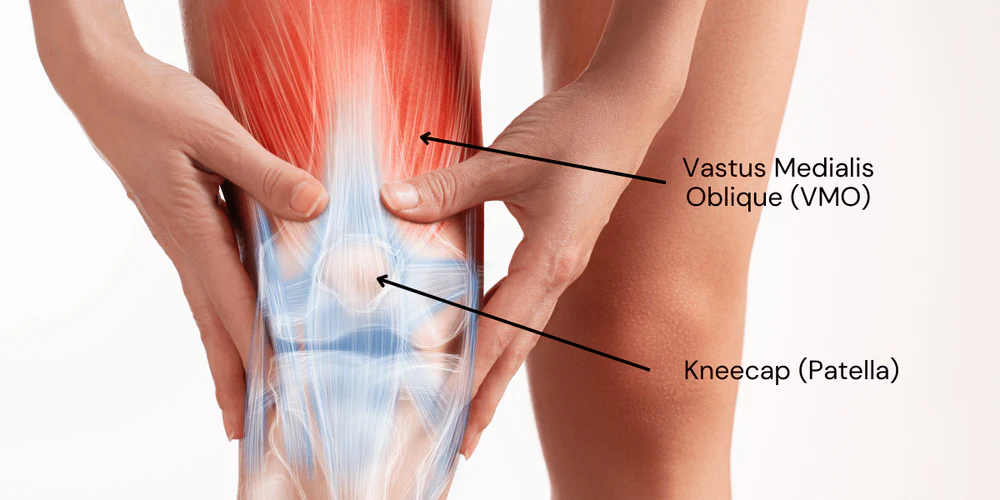
Human body has the natural healing process when given proper treatment, nutrition and rest. Physiotherapy helps in reducing pain, inflammation in the body which ultimately helps in healing process of the injury . it provides a proper set of strengthening or mobility exercises that is important for its healing or recovery phase. For Example; Patient is suffering from early osteoarthritis of knee and is recommended knee replacement surgery . In this scenerio, physiotherapist provides a set of exercise that helps in the strengthening of the surrounding structures of the knee, to stabilize the knee and provide its better movement. Knee strengthening helps in better walking  as it helps in  proper weight distribution.

Thus, It can prevent surgeries by strengthening of the surrounding structures which helps in proper weight distribution and thus helps in reducing pain and inflammation which ultimately improves the healing process after injury.

Frequently Asked Questions

1. In which conditions is physiotherapy usually tried before considering surgery?
Physiotherapy is commonly recommended before surgery for conditions like chronic back pain, knee osteoarthritis, shoulder impingement, ligament strains, disc-related pain, and early joint degeneration. In many such cases, pain and movement issues arise due to muscle imbalance, joint stiffness, or poor biomechanics rather than structural damage requiring surgery. A well-planned physiotherapy program focuses on restoring movement, reducing inflammation, and improving strength. Many patients experience significant improvement, allowing them to delay or completely avoid surgical intervention.
2. How long should physiotherapy be tried before deciding on surgery?
The duration varies depending on the condition, severity, and individual recovery response. Generally, a structured physiotherapy program is followed for 4 to 12 weeks before evaluating the need for surgery. During this time, pain levels, functional improvement, and daily activity tolerance are closely monitored. If consistent progress is seen, continuing conservative care is often recommended. Surgery is usually considered only when symptoms persist despite dedicated physiotherapy and significantly impact quality of life.
3. Can physiotherapy reduce pain even if surgery is eventually needed?
Yes, physiotherapy can significantly reduce pain and improve function even if surgery becomes necessary later. Strengthening surrounding muscles, improving joint mobility, and correcting posture reduce stress on injured areas. This often leads to better pain control and improved movement. Additionally, patients who undergo physiotherapy before surgery tend to recover faster afterward because their muscles are stronger and joints are more flexible, making post-surgical rehabilitation smoother and more effective.
4. Is physiotherapy effective for age-related joint problems without surgery?
Physiotherapy is highly effective in managing age-related joint issues such as arthritis and stiffness. While it cannot reverse degeneration, it can slow progression, reduce pain, and improve daily function. Targeted exercises improve joint stability, flexibility, and muscle support, reducing excessive load on joints. Many seniors are able to maintain independence and avoid surgery for years with consistent physiotherapy, proper guidance, and lifestyle modifications tailored to their physical capacity.
5. What role does early physiotherapy play in avoiding surgery?
Early physiotherapy intervention prevents minor injuries from becoming chronic or severe. Addressing pain, stiffness, or movement restrictions early reduces inflammation and prevents compensatory movement patterns that can worsen damage. Many surgical cases arise from delayed treatment or ignoring early symptoms. By starting physiotherapy early, patients can restore normal function, reduce strain on affected structures, and significantly lower the chances of requiring invasive procedures later.
6. Are imaging reports like MRI enough to decide surgery without physiotherapy?
Imaging reports alone should not determine the need for surgery. Many people show disc bulges, tears, or degeneration on MRI without experiencing pain. Physiotherapy focuses on clinical symptoms, movement quality, and functional limitations rather than images alone. Often, pain improves with conservative treatment even when imaging appears concerning. A thorough physiotherapy assessment helps determine whether symptoms can be managed without surgery despite radiological findings.
7. Can physiotherapy help avoid repeat surgeries?
Yes, physiotherapy plays a crucial role in preventing repeat surgeries. After an initial injury or surgery, improper movement patterns, weakness, or poor posture can lead to recurring problems. Physiotherapy addresses these root causes by improving strength, mobility, and body mechanics. Consistent rehabilitation reduces the risk of re-injury and prevents overload on previously treated areas, helping patients avoid further surgical procedures.
8. How does physiotherapy address the root cause instead of just symptoms?
Physiotherapy focuses on identifying underlying issues such as muscle weakness, joint restrictions, poor posture, and faulty movement patterns. Rather than only relieving pain, treatment aims to correct these contributors through exercises, manual therapy, and movement retraining. By restoring proper biomechanics, physiotherapy reduces abnormal stress on tissues, allowing natural healing and long-term relief. This approach helps prevent recurring problems that might otherwise lead to surgical intervention.
9. Is physiotherapy safe for people advised surgery by multiple doctors?
In most cases, physiotherapy is safe even when surgery has been advised, provided it is guided by a qualified physiotherapist. Treatment plans are customized based on diagnosis, pain tolerance, and medical history. Conservative care does not interfere with surgical options and can be stopped if symptoms worsen. Many patients seek physiotherapy as a second opinion and experience enough improvement to postpone or avoid surgery altogether.
10. How do I know if physiotherapy is working for my condition?
Improvement is measured through reduced pain, increased mobility, better strength, and improved ability to perform daily activities. Small changes like easier walking, improved sleep, or reduced medication use indicate progress. Physiotherapists regularly reassess and modify treatment plans based on response. Consistent improvement over weeks usually suggests that surgery may not be necessary, while lack of progress helps guide further medical decisions.

Book a Consultation

It’s easy and free!

Dr. Ritika Aggarwal

Dr. Ritika Aggarwal

Physiotherapist

Related Posts

Hidden between the neck and lower back lies the thoracic spine, commonly referred to as the mid-back. This region doesn’t usually scream for attention, but it quietly influences almost every upper-body movement you make.

Best Physiotherapy Center in Sector 12 Noida ,Pain has a way of quietly changing everyday life. What begins as a small discomfort can slowly affect how you walk, sit, sleep, work, and even think. In a fast-paced locality like Sector 12 Noida , where people juggle careers, family responsibilities, studies, and fitness goals, physical pain …

Finding the best physiotherapy clinic in Sector 18 Noida is crucial for individuals seeking effective pain relief, faster recovery, and long-term physical wellness. With increasing cases of lifestyle disorders, sports injuries, post-surgical rehabilitation needs, and work-related musculoskeletal problems, professional physiotherapy has become an essential part of healthcare. Dmphysios has established itself as a reliable and …

Leave a Reply

Your email address will not be published. Required fields are marked *