

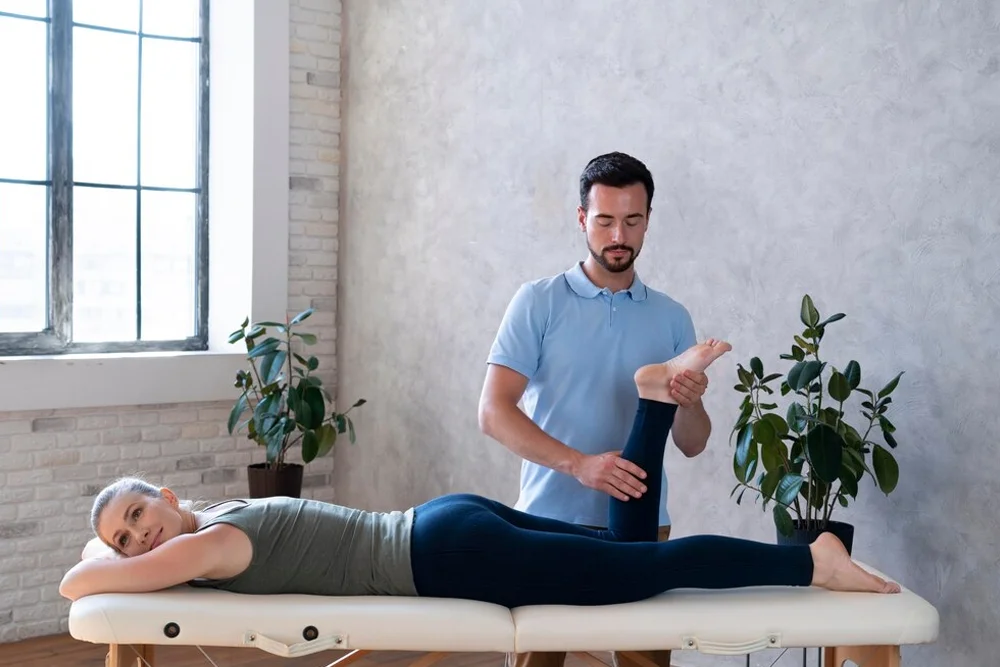

Preventive Physiotherapy
ROLE OF PHYSIOTHERAPY IN MANAGING DEAD BUTT SYNDROME
Article Overview
- Understanding the Risks of WFH in India
- Principles of Preventive Physiotherapy
- Designing an Ergonomic Home Workstation
- Movement & Break Strategies
- Strengthening & Stability Exercises
- Professional Support & Periodic Assessment
- Building Sustainable Habits
- Real‑Life Impact: Why Preventive Physiotherapy Works in India
- Sample Daily Routine: An Injury‑Free WFH Day
- Tips to Make It Work in Indian Context
Working remotely has become common across India, especially among knowledge professionals in cities like Bengaluru, Mumbai, and Gurgaon. While WFH brings flexibility, it has also introduced a found‑at‑home epidemic of musculoskeletal pain. Improper posture, long hours hunched over a laptop, and a lack of structured ergonomics have triggered a sharp rise in neck strain, back pain, wrist discomfort—what experts term work‑related musculoskeletal disorders (WMSDs).
Preventive physiotherapy—an approach focused on proactive posture correction, ergonomics and movement—offers a powerful solution to staying healthy while working from home. This blog explores how to identify risk factors, set up a home office optimized for health, integrate targeted physiotherapy interventions, and build sustainable habits to prevent injuries while WFH in India.
Understanding the Risks of WFH in India
1. Common Ergonomic Hazards in the Home Environment
Indian WFH setups often lack:
- Awkward sedentary postures: laptop on laps, soft sofas or beds, slouching, forward‑head posture for long periods.
- Static loading: sitting immobile for hours without breaks strains muscles and joints, leading to fatigue and chronic pain.
- Repetitive motion: continuous typing and mouse use can lead to carpal tunnel or tendinopathies
- Contact stress : leaning wrists on hard edges, gripping devices tightly, or overreaching can cause joint irritation and fatigue.
2. The Indian Statistic
A study in the Journal of Society of Indian Physiotherapists found that over 75% of Indian IT professionals work 7–9 hours per day without effective ergonomic awareness or break habits—and many lack proper chair support and correct monitor placement. Meanwhile, Indian orthopaedic reports show over 60% of Indians develop spinal issues due to poor postural habits and prolonged sedentary work.
Principles of Preventive Physiotherapy
Preventive physiotherapy isn’t just for rehabilitation—it’s for prevention. It combines:
- Postural assessment & correction
- Workplace ergonomic optimization
- Movement integration and targeted exercises
- Periodic professional intervention/support
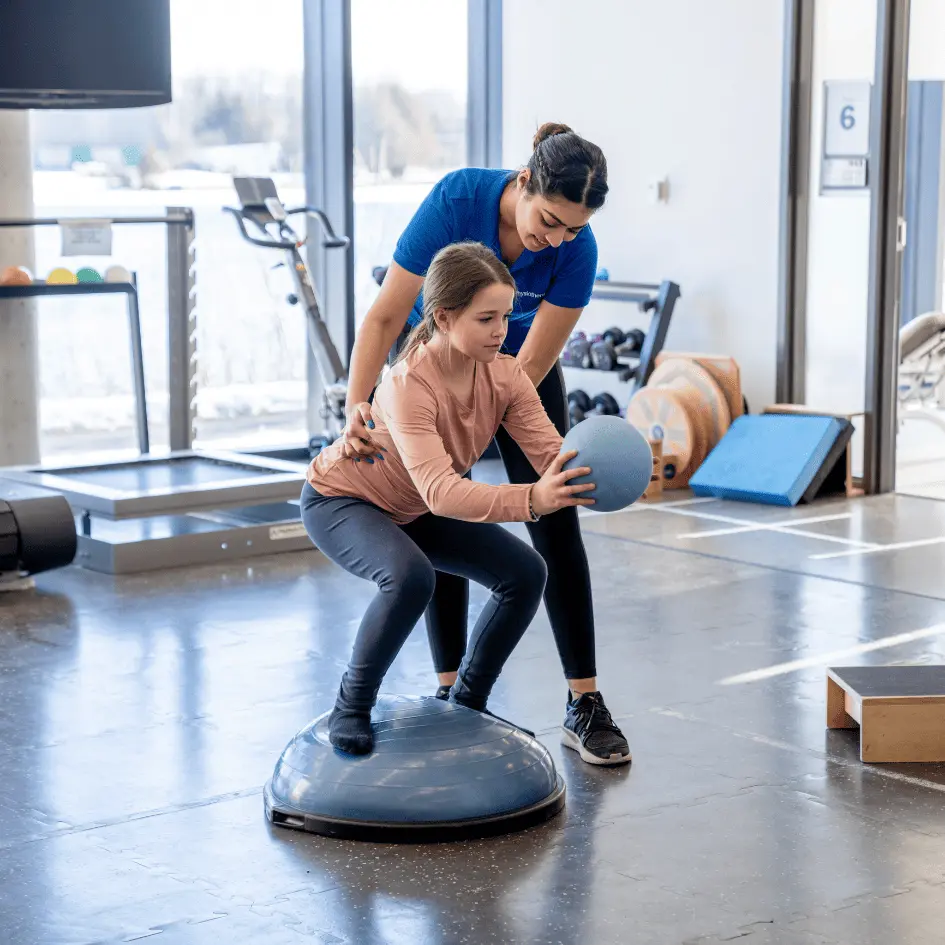
In India, physiotherapists now routinely offer posture‑and‑ergonomics programs and digital posture assessments especially for WFH individuals. These help identify muscle imbalances, joint restrictions, ergonomic faults, and incorporate corrective action before pain becomes chronic.
Designing an Ergonomic Home Workstation
1. Seating and Setup
- Use an adjustable chair with good lumbar support . If unavailable, a rolled towel or cushion can help maintain spinal curve.
- Maintain hips slightly higher than knees, with feet flat on the floor—or use a footrest if needed.
- Sit fully into the chair , not on the edge, to distribute weight evenly.
- Monitor placement : the top of the screen should be at or just below eye level, and about arm’s length away (\~20–40 inches) to avoid forward head posture.
2. Keyboard, Mouse & Accessories
- Position keyboard and mouse so elbows rest at 90° and wrists stay neutral—avoid pronated or flexed wrist postures.
- Use wrist rests or ergonomic input devices (vertical mouse, cushioned pads) to reduce strain.
- Keep essentials (water bottle, charger, phone) within easy reach to avoid twisting or overreaching.
3. Lighting & Environment
- Ensure balanced lighting, reduce glare, and place the monitor perpendicular to windows for minimal reflections and eyestrain.
- Good ventilation and comfortable ambient temperature also support muscle comfort and concentration.
Movement & Break Strategies
1. Frequent Micro-Breaks
- Avoid sitting more than 30–45 minutes at a time. Stand, stretch, and move, even for a minute or two. This reduces static load and promotes circulation.
Move to hydrating point, walk indoors or outdoors briefly, perform a brief stretch.
2. Simple Desk Stretches to Include
- Neck side-tilts and chin tucks : maintain head over shoulders. Chin tucks especially help correct forward-head posture.
- Shoulder rolls: forward/backward to release upper traps and neck tension.
- Seated spinal twist :(gently rotate torso while seated) to mobilize mid-back.
- Wrist flexor/extensor stretches to relieve typing strain.
- Seated marching or heel taps to get blood moving and engage core lightly.
3. Scheduled Movement Blocks
- Every hour, schedule a longer movement break: walk 5 minutes, do standing stretches or yoga.
- Alternate sitting and standing if you have a sit‑stand desk, switching every 30–45 minutes.
Strengthening & Stability Exercises
Physiotherapy programs often include strengthening and stabilization routines to build resilience:
1. Core & Lower‑Back Strength
- Pelvic tilts : gentle lower-back articulation to engage the transverse abdominis.
- Wall sits : lean-backed against a wall with knees bent for lower-body endurance.
2. Upper‑Back & Shoulder Activation
- Shoulder blade squeezes : retract and hold scapulae to improve posture.
- Wall angels or resistance‑band rows: strengthen rhomboids and mid‑traps, countering forward‑head slump.
3. Neck Stabilization
- Isometric neck exercises : press forehead or side of head into hands to build neck musculature gently.
These exercises, when done 3–4 times weekly, reduce muscle imbalance and increase spinal stability—leading to long‑term prevention of neck and back pain.
Professional Support & Periodic Assessment
1. Digital Posture Assessment
Modern clinics in India offer digital posture assessment tools—usually via smartphone or web app—to evaluate alignment while seated or standing. This helps tailor specific corrective routines.
2. Ergonomic Workshops & Corporate Programs
Many physiotherapy practices and corporate wellness providers in India now run virtual or in‑house workshops for WFH ergonomics, postural education, and injury prevention strategies.
3. One-on-One Physiotherapy Consultation
Even without pain, a single evaluation with a physiotherapist can identify postural deficits, muscle imbalances, or ergonomic misalignments—and suggest corrective strategies before injuries occur.
Building Sustainable Habits
1. Set Reminders & Routines
Use phone alarms, calendar alerts, or dedicated apps to remind you to:
- Stand/stretch every 30–45 min
- Change sitting position periodically
- Do desk‑based movement and strengthening exercises
2. Workspace Environment
- Make your ergonomic workstation inviting and consistent—this increases the likelihood you’ll use it properly.
- Keep hydration and healthy snacks at your desk to reduce trips for unhealthy alternatives.
3. Lifestyle Integration
- Integrate walking breaks outside during or after work—ideally 30 min daily.
- Consider yoga or Pilates sessions focusing on core, back, and flexibility—a popular recommendation in Indian wellness circles.
Real‑Life Impact: Why Preventive Physiotherapy Works in India
1. Evidence-Based Outcomes
Studies show WFH‑related pain in India is reduced when ergonomic awareness increases and individuals apply simple posture corrections, take breaks, and follow physiotherapy guidelines.
Preventive physiotherapy helps reduce absenteeism, boost productivity, and alleviate chronic pain burdens.
2. Stories from the Field
Cities like Pune, Bengaluru, and Mumbai have hosted HR‑led webinars reaching hundreds of remote employees working from home. Participants report relief in back and neck pain after learning ergonomic adjustments—like raising laptop height, using cushions, and stretching regularly.
3. Cost‑Effectiveness
Rather than spending later on rehabilitation or pain management, preventive physiotherapy—through workshops, home setups, or weekly check‑ins—is a cost‑efficient investment: less absenteeism, fewer doctor visits, and better long‑term health.
Sample Daily Routine: An Injury‑Free WFH Day
Morning Preparation (before work begins):
- Set up desk area: chair height, monitor at eye‑level, keyboard/mouse positioning.
- Do light warm‑up: neck chin‑tucks, shoulder rolls, pelvis tilts.
Every 45 minutes during work:
- Take a 1–2 minute break: stand up, stretch neck and shoulders.
- Do wrist stretches and brief spine twist.
Mid‑day (lunch break):
- Walk for 10 minutes.
- Core activation: wall sits or pelvic tilts.
- Optional: seated spinal twist.
Afternoon session:
- If available, switch to standing desk for 30 mins.
- Repeat micro‑breaks and desk exercises.
Evening cooldown:
- Relaxation: gentle back/neck stretches.
- 10-minute walk or yoga focusing on hips, shoulders, and spine.
Weekly:
- Perform upper‑back strengthening: scapular squeezes, resistance band rows.
- Isometric neck exercises.
- If possible: visit physiotherapist or use online posture‑check tool.
Tips to Make It Work in Indian Context
- Budget constraints : Use towels or pillows as lumbar support; stack books to raise monitors; cheap input-device adjustments still help significantly, and such simple hacks are often promoted in Preventive Physiotherapy.
- Space limitations: Even a small corner with simple chair‑desk arrangement makes a difference compared to sofa/bed.
- Cultural adaptability : Indian households often multitask or shift work to lounges or dining tables—be mindful, and portable posture cues (chin-tuck reminders, hydration, movement prompts) can still help as part of Preventive Physiotherapy practices.
- Playlists or alarms in Hindi, English or local languages help maintain break schedules or posture reminders.
Frequently Asked Questions
Conclusion
Work‑from‑home in India brought flexibility, but also widespread ergonomic injuries. Preventive physiotherapy, combining posture correction, ergonomic optimization, movement breaks, strengthening, and professional support, offers a sustainable path to staying pain‑free and productive. Simple adjustments—right chair height, correct screen placement, micro‑breaks, and targeted exercises—can make the difference between chronic pain and long‑term wellness.
Start small: tweak your setup, stretch every hour, strengthen your core and neck muscles. If needed, consult a physiotherapist (online or in‑person) for personalised guidance. With consistent implementation, you can work remotely without becoming your own worst ergonomic enemy —ensuring that WFH truly enhances, rather than erodes, your health.
To your healthy posture and pain‑free productivity!