
Senior Citizens and Strength Training:
Why it’s Never Too Late to Start
Aging can bring a lot of change, both mentally and physically. But does that mean seniors should take it easy and avoid challenging their bodies? Is strength training a young person’s game, or can older adults benefit just as much from lifting weights? You might be surprised to learn that not only can seniors start strength training at any age, but they can also thrive because of it.
Changes in the Body When You Age
1. Physiological changes:
The body is made of millions of cells. With age, the number and size of the cells start declining. This reduction in cells affects the internal organs of the body. The heart becomes weak and pumps less blood, leading to hypertension. The kidney filters less than required, leading to toxins accumulation in the body. The liver also becomes weak, which leads to less production of red blood cells, deficiency of vitamin D, less cell regeneration and less production of glucose for fuel. The eyesight becomes weak. There is a decline in brain cells.
2. Physical changes:
Once you cross thirty, your muscle mass tends to reduce. There is an accumulation of more fat mass. The bones start becoming porous. The posture of the body changes if you don’t take care. The shoulders start drooping. The joints get stiff. The skin wrinkles.
3. Mental changes:
Once you age your brain cells decline, you become more forgetful. With retirement, you have more time in hand, but if you are not involved in any hobbies, you might feel lonely and depressed, or you will spend more time on the couch. This affects the body through weight gain, poor eating habits, deranged blood reports, weak bones, diabetes, stroke and lifestyle-related diseases.
All these changes mentioned above happen in due course of time as ageing is a slow process. You can prevent these changes if you engage yourself in some physical activity. It is very aptly said, use it or lose it. Once you start working out, your body transforms tremendously.
Why Strength Training is Important for Seniors
Many people mistakenly believe that once you reach a certain age, it’s time to slow down. However, the opposite is true. Strength training for seniors can improve mobility, balance, and overall quality of life. As we age, we naturally lose muscle mass—around 3% to 5% per decade after the age of 30. This process, known as sarcopenia, can lead to weakness, decreased mobility, and even increased risk of falls.
But the good news? Regular strength training can reverse some of these effects.
“Strength training can give older adults back their independence,” says personal trainer Jane Roberts. “I’ve seen people in their 70s and 80s gain more energy and mobility than they had in their 50s.”
Benefits of Strength Training
1. Increased muscle strength :
Weight training helps to retain the original structure of every cell. The cell maintains its tenacity, absorbs adequate water to keep the muscle hydrated and also helps in increasing the number of muscle cells. With regular weight training, you can gain muscle strength. It is always better to regularly indulge in strength training or else the muscles lose all the strength. Without exercise, the muscles dehydrate and lose elasticity.
2. Delayed ageing:
Strength training helps to keep the skin healthy and glowing. Exercises help in enough blood circulation that transfers nutrients and removes toxins. With fewer toxins in the body, the skin becomes clear, glowing and remains elastic. Strength training keeps you away from sagging skin and wrinkles. With full muscles, the skin too looks tight and flawless. Sudden weight loss leads to stretch marks on the body. But weight loss with adequate strength training saves you from unnecessary stretch marks.
3. Strong bones:
Strength training helps to absorb more calcium from food. Not only it absorbs more but, with weight training, there is more calcium deposited in the bones. This regular supply of calcium along with other minerals prevents bones from getting porous and suffering from osteoporosis.
4. Balanced gait:
With old age, there is an imbalance while walking. It can lead to severe injury if the imbalance worsens. This can be partly because of reduced brain cell function or due to weak bones and muscles. Regular strength training ensures adequate blood supply to the brain cells, strong muscles and bones and a balanced gait.
5. Flexibility:
People have the wrong notion, that if you perform strength training, you lose your flexibility. Instead with firm muscles, there is maximum elasticity a person can ever have. Combining yoga with strength training helps to improve the flexibility of an individual.
6. Alert mind:
Exercising during the daytime keeps you active and fresh. It helps in managing the body’s normal metabolism. Enough blood is pumped from the heart throughout the day which keeps the brain cells active. There is no resistance between the exchange of nutrients in the brain that keeps the mind alert.
7. Emotional stability:
Exercising releases feel-good hormones. It releases endorphins that lead to a euphoric stage and helps to keep depression at bay. Regular exercise keeps you active the whole day which tends to you to get involved in some or the other activities. The whole day when you are busy, there is no lonely feeling or anxiety or depression one can experience.
Overcoming Common Fears and Misconceptions
Many seniors hesitate to start strength training due to fear of injury or thinking they’re “too old” to benefit from exercise. Let’s dispel these myths:
Myth 1: Strength training is dangerous for seniors.
With proper guidance and a focus on safety, strength training is safe for all ages. In fact, it’s often riskier to avoid exercise, as inactivity can lead to more health issues over time.
Myth 2: Strength training is only for bodybuilders.
Strength training is about building functional strength to make daily activities easier, not just bulking up. Simple exercises can improve strength and stamina, even without lifting heavy weights.
Myth 3: It’s too late to start now.
It’s never too late! Research shows that people in their 80s and 90s can see significant strength gains from regular exercise.
Exercise Recommendations for Older Adults
The Health Promotion Board’s National Physical Activity Guidelines recommend that adults and seniors get 150 minutes a week of moderate-intensity activity such as brisk-walking, or 75 minutes of vigorous aerobic activity such as jogging, in addition to strength-training activities two days per week.
Endurance Excercise:
Endurance workouts include different cardio exercises, like walks, swimming, jogging, cycling, dancing, yoga and pilates. Endurance workout helps to improve heart function, maintains blood sugars, normalises high blood pressure, aids weight loss, improves PCOS and metabolic syndrome and keeps the brain cells healthy. It helps in excellent blood circulation in the body, which keeps all the internal organs healthy. You can perform the endurance workout at least thrice a week. Always adjust the frequency of workouts according to your requirement after consulting your trainer. You can also try different combinations of workouts during the week according to your liking. Combining the workouts prevents the weight loss plateau and keeps you motivated throughout.
Strengthening Excercise:
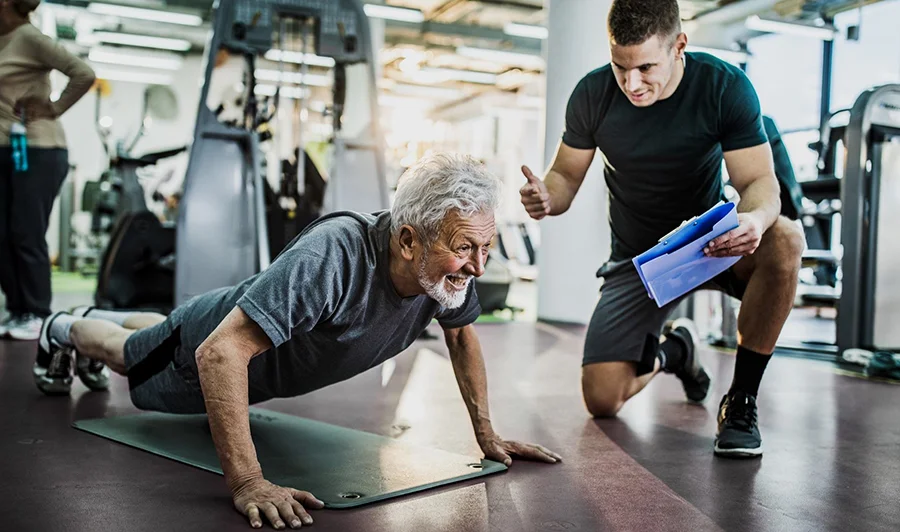
Strength training is generally related to people who want to build muscles or young adults who want to gain weight. But on the contrary, people of any age or gender can perform strength training. Strength training is a combination of weight training and resistance training. Weight training is when you use external weights for exercising. These include dead lifts, bicep curls, triceps pushdowns, overhead presses and leg presses. Whereas, strength training is when you use your weight to exercise. These include squats, lunges, push-ups, triceps dips, power training, and plank. It is advisable to balance your cardio and strength workout to maintain your internal health and outer physical appearance. You can perform muscle-strengthening training two to three times a week under professional supervision.
Balance Training
Balance exercises are key in helping you prevent falls and improve stability. You can start by being more active. If you have severe balance problems, seek the advice of a doctor before beginning.
Flexibility Exercises
Flexibility is key as you get older. Include bending and stretching exercises such as Yoga, Pilates, Tai Chi, or water exercises in your exercise program to improve your flexibility. One of the best times to do these exercises is after strength training or a hot bath because your muscles will warm up and make it easier to move around. Another benefit of stretching exercises is reducing stress and improving your posture.
Progress Monitoring
As you begin to get really into it, you can use a few tools to monitor your exercise progress, such as:
1. Timer or stopwatch:
This helps time your exercises and take pulse measurements before and after working out.
2. Activity tracker or pedometer:
This is a helpful tool that registers the number of daily steps.
3. Journal :
This is an essential tool because it helps you monitor or track your daily exercises and routines as you follow up on your progress from the beginning.
It is crucial always to warm up and stretch before beginning any workout. This helps reduce muscle soreness, minimize the risk of injury, and gradually increases your heart rate and blood flow, enabling more oxygen to reach your muscles. You can try simple trunk rotations or arm swings.