
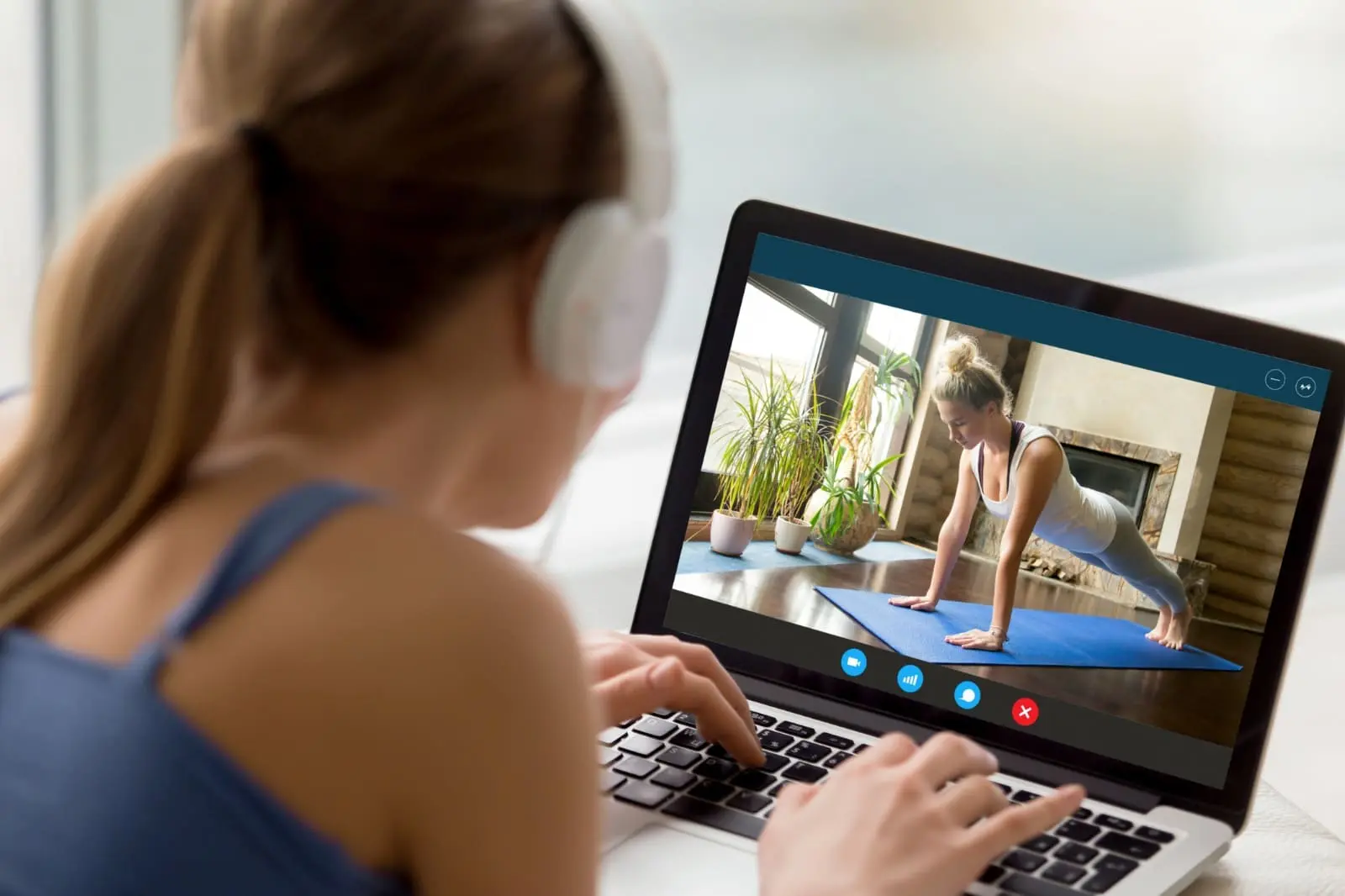

The Growth of Tele-rehabilitation
How Virtual Physiotherapy is Shaping Care in India’s Cities and Villages
Article Overview
- Understanding Tele-rehabilitation and Virtual Physiotherapy
- Why Tele-rehabilitation is Gaining Popularity in India
- How DMPhysios is Leading the Way in Online Physiotherapy
- Success Stories: Tele-rehabilitation Changing Lives
- Challenges of Virtual Physiotherapy in India
- Future of Tele-rehabilitation in India
- Preventive Care Through Virtual Physiotherapy
- Why Choose DMPhysios for Online Physiotherapy?
- Conclusion

TThe way healthcare is delivered in India is undergoing a massive transformation. From video consultations with doctors to online pharmacies, digital healthcare is bridging the gap between patients and professionals. Among the many advancements, one service has been making waves in recent years—tele-rehabilitation, also known as virtual physiotherapy
For decades, physiotherapy was seen as something that could only happen in a clinic or hospital, where a patient worked one-on-one with a physiotherapist. But technology has changed that equation. Today, people can connect with a licensed physiotherapist, receive exercise plans, get real-time corrections on their movements, and track progress—all from the comfort of their homes.
At DMPhysios, a leading physiotherapy and rehabilitation clinic in Noida specializing in spine and sports conditions, tele-rehabilitation is not just a service—it is a commitment to ensuring that patients in both urban and rural India have equal access to expert care. Whether you are a working professional in Delhi juggling long hours, or a farmer in a small village without access to a physiotherapy center, DMPhysios makes it possible to receive high-quality physiotherapy care virtually.
In this article, let’s explore the growth of tele-rehabilitation in India, its benefits, challenges, and how DMPhysios’ online physiotherapy services are changing lives across cities and villages alike.
Understanding Tele-rehabilitation and Virtual Physiotherapy
Tele-rehabilitation is the use of digital technology—like video calls, apps, and wearable devices—to deliver physiotherapy care remotely. Instead of physically visiting a clinic, patients log in to an online platform where they can interact with their physiotherapist, demonstrate movements, receive corrections, and get personalized treatment plans.
Key features include:
- Video consultations with real-time interaction
- Digital exercise prescriptions with instructional videos and step-by-step guides
- Progress monitoring through apps and feedback forms
- Virtual assessments for posture, range of motion, and muscle strength
- Education and self-care guidance for prevention and recovery
This means that even if you are miles away from a city or cannot step outside due to mobility issues, you can still receive professional physiotherapy guidance from experts like those at DMPhysios.
Why Tele-rehabilitation is Gaining Popularity in India
India is uniquely positioned for tele-rehabilitation growth. With over 850 million internet users, increasing smartphone penetration, and growing awareness about the importance of physiotherapy in recovery and prevention, virtual physiotherapy is becoming the new norm.
1. Accessibility for Rural India
In rural areas, access to specialized physiotherapy is limited. Most small towns don’t have physiotherapy clinics, and patients often travel long distances to cities for treatment. Tele-rehabilitation eliminates this barrier, bringing expert care right into village households.
2. Convenience for Urban Professionals
In cities, time is the biggest constraint. Between long working hours, traffic congestion, and family responsibilities, people delay or skip physiotherapy sessions. Virtual physiotherapy removes travel time and allows patients to receive treatment during lunch breaks or after office hours.
3. Affordability
Online physiotherapy is often more cost-effective compared to frequent clinic visits. Patients save money on transportation and can access care packages that suit their budgets.
4. Continuity of Care Post-Surgery or Injury
Patients recovering from surgeries like joint replacements or sports injuries benefit immensely from tele-rehabilitation. Daily monitoring and guided exercises help maintain progress without frequent hospital visits.
5. Pandemic Push
The COVID-19 pandemic accelerated the adoption of telemedicine and virtual physiotherapy. What began as a necessity has now evolved into a preferred mode of care for many patients.
How DMPhysios is Leading the Way in Online Physiotherapy
At DMPhysios, tele-rehabilitation is not treated as a secondary service but as a core offering. The clinic understands that modern patients demand flexibility, accessibility, and consistent support. Here’s how DMPhysios has structured its online physiotherapy sessions:
1. Personalized Online Assessments
Patients begin with a detailed online consultation where the physiotherapist evaluates symptoms, medical history, posture, and movement through video. This helps in designing a customized rehabilitation plan.
2. One-on-One Virtual Sessions
Using secure video platforms, patients work directly with a physiotherapist in real-time. Every exercise is monitored, corrections are given instantly, and progress is tracked.
3. Digital Exercise Prescriptions
After each session, patients receive guided videos and instructions to practice at home. This ensures they can continue exercises safely between live sessions.
4. Progress Tracking & Feedback
Through follow-up calls, messages, and progress forms, patients stay connected with their therapists. At DMPhysios, therapists ensure that no patient feels left alone in their recovery journey.
5. Specialized Programs
DMPhysios offers online physiotherapy for:
- Spine conditions (back pain, cervical issues, lumbar disc herniation)
- Sports injuries (ankle sprains, shoulder dislocations, groin pulls)
- Post-surgical rehabilitation (joint replacement, ligament repair)
- Chronic conditions (arthritis, frozen shoulder, sciatica)
- Neurological rehabilitation (stroke recovery, balance training)
By combining professional expertise with digital tools, DMPhysios ensures patients receive the same quality of care online as they would in the clinic.
Success Stories: Tele-rehabilitation Changing Lives
Stories bring the impact to life. Here are a few real-world scenarios where online physiotherapy has made a difference:
- An IT Professional in Noida: Struggling with chronic neck pain due to long hours of sitting, she opted for DMPhysios’ online sessions. Within weeks, her posture improved, and pain reduced without ever stepping out of her home.
- A Farmer in Rural Uttar Pradesh: After a knee injury, traveling to a city hospital was not feasible. With virtual physiotherapy, he followed a guided rehab plan, regained mobility, and returned to work without interruption.
- An Elderly Patient Post Hip Surgery: With limited ability to travel, tele-rehabilitation provided her the opportunity to recover under professional supervision from her living room.
These success stories highlight the transformative power of tele-rehabilitation in India.
Challenges of Virtual Physiotherapy in India
While tele-rehabilitation is growing rapidly, it is not without challenges:
- Internet Connectivity: Rural areas still face poor network coverage, making video sessions difficult.
- Digital Literacy: Elderly patients or those not familiar with smartphones may struggle initially.
- Lack of Physical Touch: Certain manual therapies, like joint mobilizations, cannot be replicated virtually.
- Skepticism: Many patients still prefer in-person consultations, doubting the effectiveness of online methods.
At DMPhysios, these challenges are addressed by:
- Offering simple video platforms with low data usage.
- Providing family guidance to help elderly patients navigate online sessions.
- Combining virtual care with occasional in-person check-ins if needed.
Future of Tele-rehabilitation in India
The potential of tele-rehabilitation is immense. With government initiatives promoting digital healthcare, the rise of wearable fitness trackers, and AI-driven health apps, physiotherapy will become more personalized, data-driven, and accessible than ever before.
Imagine this: a patient in a small village wears a simple sensor band, performs exercises, and the data is instantly shared with a DMPhysios physiotherapist who provides live corrections. This is not science fiction—it’s the future of physiotherapy in India.
Preventive Care Through Virtual Physiotherapy
Another important aspect of tele-rehabilitation is preventive care. Many people wait until pain or injury occurs before seeking help. Online physiotherapy makes preventive exercises, posture corrections, and ergonomic advice more accessible.
For example:
- Office workers can receive virtual ergonomic consultations to set up their workstations correctly.
- Athletes can enroll in injury-prevention programs guided online.
- Elderly patients can benefit from fall-prevention exercises without leaving home.
DMPhysios strongly advocates for preventive physiotherapy and integrates it into its online services.
Why Choose DMPhysios for Online Physiotherapy?
Choosing the right physiotherapy provider is crucial. Here’s why patients across India trust DMPhysios for tele-rehabilitation:
- Expertise in Spine & Sports Conditions
- Customized One-on-One Online Sessions
- Patient-Centered Rehabilitation Approach
- Affordable Care Without Compromising Quality
- Seamless Digital Support Before, During, and After Sessions
Whether you are in urban India or a rural village, DMPhysios ensures that expert physiotherapy is just a click away.
Frequently Asked Questions
Conclusion: The New Era of Physiotherapy
Tele-rehabilitation is not just a temporary trend—it is the future of healthcare delivery in India. By breaking geographical barriers, saving time, and offering high-quality care, virtual physiotherapy is revolutionizing the way people recover from injuries, manage chronic pain, and maintain their health.
At DMPhysios, the mission is clear: to make expert physiotherapy accessible, affordable, and effective for every individual—whether in India’s busiest cities or its remotest villages.
If you or your loved ones are struggling with pain, recovering from an injury, or simply want preventive physiotherapy care, don’t wait. Explore DMPhysios’ online physiotherapy sessions today and take the first step toward a healthier, pain-free life.