

The Unique Benefits Of Scapular Strengthening And Physiotherapy
Article Overview
- Understanding the Shoulder Complex
- What Is Scapular Strengthening?
- Why Shoulder Pain Often Persists
- The Unique Benefits of Scapular Strengthening
- Common Scapular Strengthening Exercises
- Role of Physiotherapy in Shoulder Health
- Scapular Strengthening for Specific Conditions
- Integrating Scapular Strengthening Into Daily Life

Shoulder pain and dysfunction are among the most common musculoskeletal complaints worldwide. Despite being a relatively small joint compared to the hip or knee, the shoulder plays a pivotal role in nearly every movement we perform daily—from lifting objects and reaching overhead to sports performance and maintaining posture. Unfortunately, shoulder discomfort often begins subtly and progresses, affecting mobility, strength, and quality of life.
One of the most effective approaches to preventing and managing shoulder issues is scapular strengthening, combined with tailored physiotherapy. In this blog, we will explore why scapular health matters, how it influences shoulder function, the unique benefits of scapular strengthening, and how physiotherapy can transform shoulder health.
Understanding the Shoulder Complex
The shoulder is a highly mobile joint, designed for a wide range of movements. It comprises three main bones—the humerus, scapula (shoulder blade), and clavicle (collarbone)—and several supporting muscles, tendons, and ligaments. The interaction between these structures allows us to lift, rotate, and move our arms in virtually any direction.
A critical component of shoulder mechanics is the scapula. Often overlooked, the scapula serves as a stable base for shoulder movement. Without proper scapular function, even strong arm muscles cannot perform efficiently. Dysfunction in scapular movement is linked to common shoulder problems such as:
- Rotator cuff injuries
- Shoulder impingement syndrome
- Frozen shoulder (adhesive capsulitis)
- Tendinitis and bursitis
What Is Scapular Strengthening?
Scapular strengthening focuses on improving the muscles that control the shoulder blade, including the trapezius, rhomboids, serratus anterior, and levator scapulae. These muscles stabilize the scapula during arm movements, ensuring proper alignment and reducing stress on the shoulder joint itself.
When the scapula moves incorrectly—called scapular dyskinesis—it can lead to pain, weakness, and even injury over time. Strengthening these muscles improves posture, enhances shoulder stability, and allows for smoother, pain-free motion.
Why Shoulder Pain Often Persists
Many individuals struggle with chronic shoulder pain because traditional treatments focus only on the shoulder joint, ignoring the scapula. Common interventions like painkillers, anti-inflammatory medications, and rest may provide temporary relief but do not address the underlying muscular imbalances.
Key reasons shoulder pain persists include:
- Poor posture: Prolonged sitting, smartphone use, and desk work contribute to forward shoulders and rounded upper back, overloading the shoulder muscles.
- Muscle imbalances: Weak scapular stabilizers combined with overactive chest and deltoid muscles alter the biomechanics of the shoulder.
- Neglecting early symptoms: Minor aches and stiffness are often ignored until they become significant injuries.
- Improper exercise: Some exercises, when done incorrectly, may strain the shoulder rather than strengthen it.
Targeted scapular strengthening addresses these root causes by restoring balance, improving coordination, and enhancing movement efficiency.
The Unique Benefits of Scapular Strengthening
Scapular strengthening is not just another exercise trend; it offers measurable, long-term benefits for shoulder health. Some of the most significant advantages include:
1. Improved Shoulder Stability
The scapula acts as a platform for the arm to move. Strengthening the muscles that control it ensures that your shoulder blade moves correctly during lifting, pushing, or overhead activities. This stability reduces strain on the rotator cuff, shoulder capsule, and tendons, preventing common injuries.
2. Enhanced Posture and Alignment
Weak scapular muscles often lead to rounded shoulders and a forward head posture, which contributes to neck, upper back, and shoulder pain. Strengthening the scapular stabilizers corrects these postural deviations, allowing for better alignment and reducing chronic strain.
3. Increased Shoulder Mobility
Proper scapular movement ensures that the humerus (upper arm bone) moves optimally in the shoulder socket. This enhances range of motion while reducing the risk of impingement and stiffness.
4. Prevention of Common Injuries
Athletes, office workers, and older adults are all at risk for shoulder injuries due to improper scapular mechanics. Regular scapular exercises strengthen the supporting muscles, reducing the likelihood of rotator cuff tears, tendonitis, and shoulder impingement.
5. Improved Athletic Performance
From swimming and tennis to weightlifting and throwing sports, scapular strength is crucial for powerful, coordinated arm movements . Athletes with strong scapular stabilizers exhibit improved throwing velocity, stroke efficiency, and overall performance while minimizing injury risk.
Common Scapular Strengthening Exercises
- Scapular Retractions: Pull shoulder blades together while keeping arms at your sides. This strengthens rhomboids and middle trapezius.
- Wall Angels: Stand with your back against a wall, moving arms up and down in a “snow angel” motion to enhance mobility and coordination.
- Serratus Punches: Lying on your back or standing, punch upward while keeping the scapula protracted to engage serratus anterior.
- Prone Y/T/Ws: Lying face down, lift arms in Y, T, and W shapes to activate multiple stabilizing muscles.
- Resistance Band Rows: Use a band to perform rows, focusing on pulling shoulder blades together rather than just bending the elbows.
Consistency is key. Performing these exercises 3–4 times per week can yield noticeable improvements in strength, posture, and shoulder function within a few weeks.
Role of Physiotherapy in Shoulder Health
While exercises are important, physiotherapy offers a holistic approach to shoulder rehabilitation and prevention. Skilled physiotherapists assess individual posture, movement patterns, muscle strength, and joint mobility, creating personalized programs to target specific issues.
Key Physiotherapy Interventions
- Postural Correction: Addressing habitual slouching and forward shoulder posture through targeted stretches and exercises.
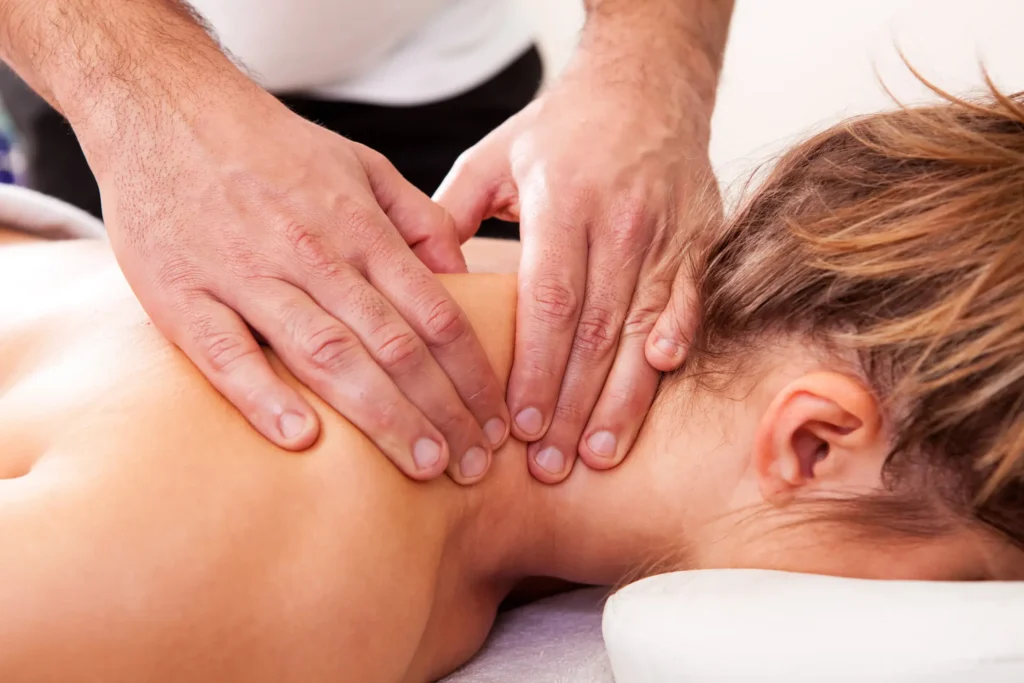
- Manual Therapy: Hands-on techniques to improve joint mobility, release tight muscles, and restore proper movement patterns.
- Pain Management: Use of modalities like ultrasound, TENS (transcutaneous electrical nerve stimulation), and heat/cold therapy to reduce inflammation and discomfort.
- Tailored Exercise Programs: Physiotherapists design scapular and shoulder exercises specific to each individual’s needs, preventing overuse or injury.
- Education: Teaching patients correct movement patterns, ergonomics, and lifestyle modifications for long-term shoulder health.
Scapular Strengthening for Specific Conditions
1. Rotator Cuff Injuries
Rotator cuff tears or tendinopathy often result from overuse or imbalance in scapular muscles. Strengthening these stabilizers offloads the cuff, promoting healing and reducing recurrence.
2. Shoulder Impingement Syndrome
Improper scapular mechanics can cause the tendons of the rotator cuff to rub against the acromion, leading to pain. Corrective exercises improve scapular upward rotation, reducing impingement.
3. Frozen Shoulder (Adhesive Capsulitis)
Although this condition involves stiffness in the joint capsule, scapular strengthening improves overall shoulder motion and accelerates recovery.
4. Post-Surgical Rehabilitation
After shoulder surgery, patients often experience weakness and restricted movement. Targeted scapular exercises restore strength, alignment, and functional range of motion.
5. Chronic Neck and Upper Back Pain
Weak scapular stabilizers contribute to rounded shoulders and forward head posture, exacerbating neck and thoracic discomfort. Strengthening these muscles relieves tension and improves posture.
Integrating Scapular Strengthening Into Daily Life
- Desk Ergonomics: Position screens at eye level, keep shoulders relaxed, and perform micro-breaks for scapular retraction every hour.
- Warm-up Before Exercise: Include scapular activation drills before lifting weights, swimming, or playing sports.
- Mindful Posture: Avoid slouching while standing or walking; consciously retract shoulder blades periodically.
- Balanced Training: Pair chest and arm exercises with scapular strengthening to prevent imbalances.
- Daily Movement: Even simple movements like wall angels while brushing teeth or punching upward with a resistance band can reinforce healthy scapular patterns.
Preventing Shoulder Issues: Long-Term Perspective
Even after recovering from pain or injury, maintaining shoulder health is an ongoing process. Preventive strategies include:
- Regular scapular strengthening exercises
- Ergonomic adjustments at work and home
- Balanced training routines that target all shoulder muscles
- Awareness of posture and movement patterns
- Early intervention at the first sign of discomfort
By adopting these practices, you can reduce the risk of shoulder pain and preserve function well into later life.
Conclusion
The shoulder is a marvel of mobility, but it is also vulnerable to pain and dysfunction. The key to lasting shoulder health lies not just in treating symptoms but in addressing muscle imbalances and movement patterns, particularly through scapular strengthening.
Physiotherapy enhances these benefits by providing personalized assessment, manual therapy, targeted exercises, and education to ensure sustainable results. Whether you are an athlete, office worker, or someone recovering from injury, investing in scapular health transforms shoulder function, reduces pain, improves posture, and enhances overall quality of life.
Remember, healthy shoulders start with a stable, strong scapula. Prioritize your shoulder health today, and your future self will thank you.