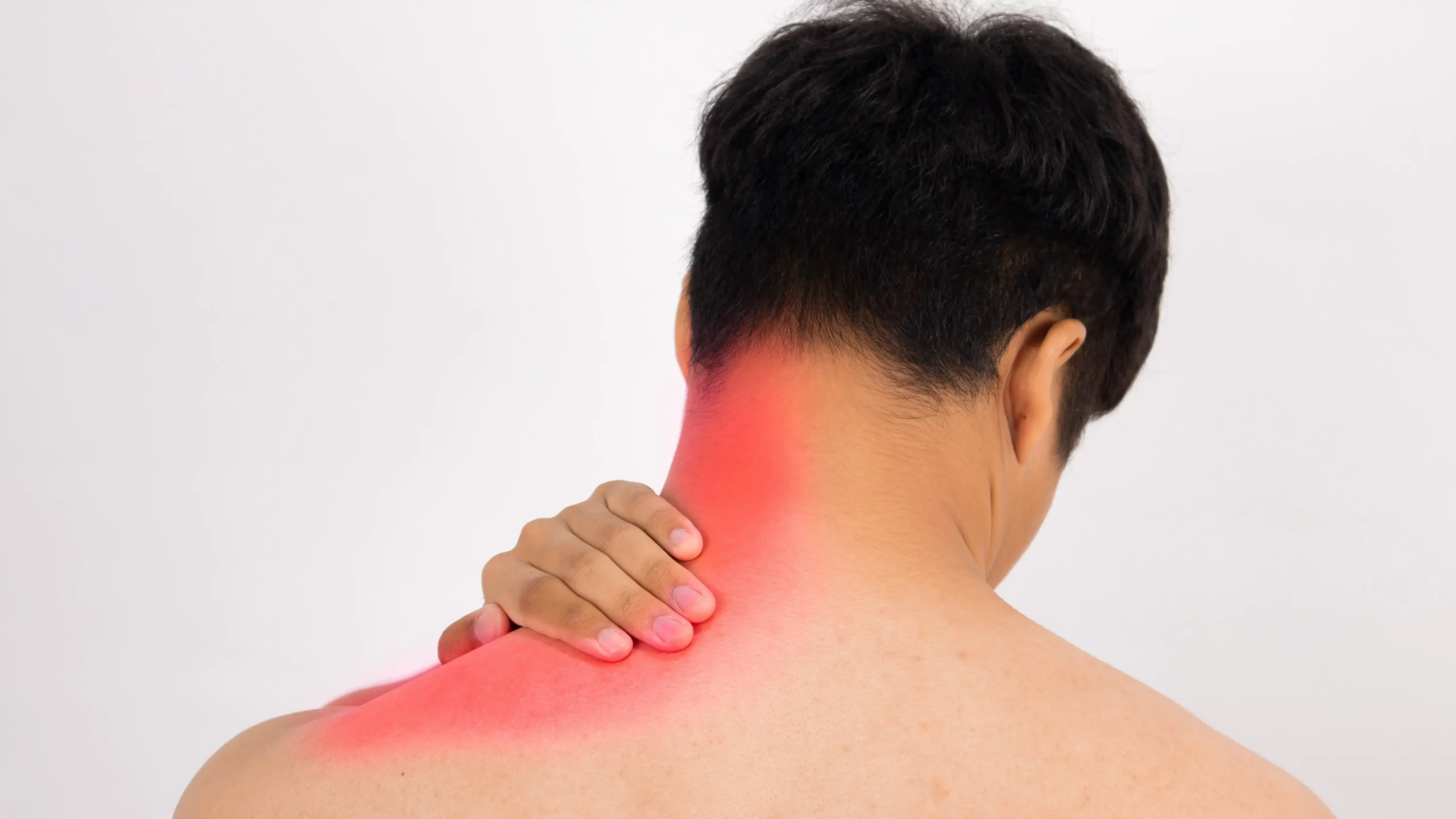

Heat Meets Healing : Tecar Therapy
How Tecar Therapy is Changing Physio Results
Article Overview
- What Exactly is Tecar Therapy?
- The Science Behind the Heat
- How Tecar Therapy is Different from Traditional Methods
- Conditions Treated with Tecar Therapy
- Why Patients Love Tecar Therapy
- The Physiotherapist’s Perspective
- Step-by-Step: What Happens in a Tecar Therapy Session?
- Tecar Therapy in Sports Medicine
Pohysiotherapy is no longer limited to exercises, manual therapy, or traditional modalities like ultrasound and TENS. A new wave of technology is reshaping the way recovery happens, and one of the most exciting innovations is Tecar Therapy. Short for “Transfer of Energy Capacitive and Resistive,” Tecar Therapy combines controlled heat with targeted energy transfer to accelerate healing, reduce pain, and improve function.
Imagine getting the benefits of deep tissue healing without discomfort, faster recovery from injuries, and long-lasting results. That is the promise of Tecar Therapy, and patients across the world are starting to experience its impact firsthand. In this blog, we will break down what Tecar Therapy is, how it works, which conditions it helps, and why it is becoming a game-changer in physiotherapy results.
What Exactly is Tecar Therapy?
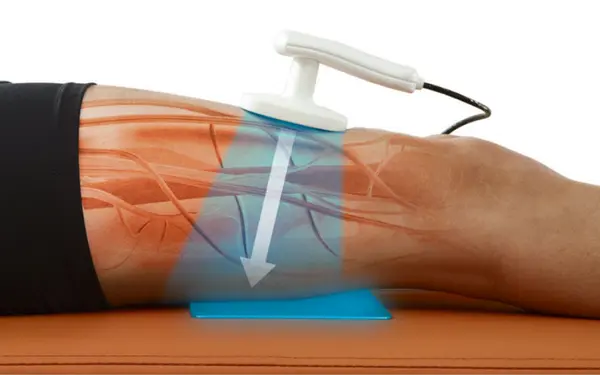
Tecar Therapy is a type of radiofrequency therapy that works by transferring energy deep inside the body. Unlike surface heating methods such as hot packs or infrared lamps, Tecar Therapy penetrates deep into muscles, ligaments, tendons, and even joints.
The technique uses two modes:
- Capacitive Mode – Targets soft tissues like muscles and lymphatic structures.
- Resistive Mode – Reaches deeper structures such as tendons, ligaments, bones, and joints.
By using these modes, physiotherapists can personalize treatment according to the patient’s condition and healing needs. The therapy not only provides warmth but also triggers natural biological responses like improved blood circulation, reduced inflammation, and faster cellular repair.
The Science Behind the Heat
The concept is simple yet powerful. Our body responds to controlled heat by:
- Expanding blood vessels – Better circulation means more oxygen and nutrients reach damaged tissues.
- Activating metabolism – Cells work more efficiently, repairing themselves faster.
- Reducing stiffness and pain – Heat relaxes muscles and helps reduce nerve sensitivity.
- Draining excess fluids – Swelling and edema get reduced due to improved lymphatic flow.
Unlike external heating methods, Tecar Therapy does not just warm the surface. Instead, it stimulates the body’s own healing mechanisms from within, creating what experts call a “bio-stimulation effect.”
How Tecar Therapy is Different from Traditional Methods
Patients often wonder why they should choose Tecar Therapy when they already know about ultrasound, hot packs, or electrical stimulation. The difference lies in depth, precision, and effectiveness.
- Hot Packs vs. Tecar Therapy: Hot packs only warm the skin and superficial tissues. Tecar Therapy heats deeper layers where the real injury or pain may lie.
- Ultrasound Therapy vs. Tecar Therapy: Ultrasound provides micro-massage and mild heating, but Tecar Therapy generates stronger biological effects and faster recovery.
- TENS vs. Tecar Therapy: TENS blocks pain signals, but Tecar Therapy not only eases pain but also promotes long-term tissue healing.
In short, Tecar Therapy is not just about symptom relief. It addresses the root cause of pain and dysfunction, which is why it is often called a regenerative therapy.
Conditions Treated with Tecar Therapy
Tecar Therapy is versatile and has applications across a wide range of musculoskeletal and rehabilitation cases. Some of the most common conditions include:
Sports Injuries
- Muscle strains (hamstring, quadriceps, calf, etc.)
- Ligament sprains (ankle sprain, ACL injury, etc.)
- Tendonitis and tendinopathies (Achilles tendonitis, patellar tendonitis)
- Post-match recovery for athletes
Joint and Bone Conditions
- Osteoarthritis of the knee, hip, and shoulder
- Low back pain due to degenerative changes
- Frozen shoulder and shoulder impingement
- Cervical and lumbar spondylosis
Soft Tissue Disorders
- Plantar fasciitis
- Bursitis
- Scar tissue management
- Myofascial pain syndromes
Post-surgical Rehabilitation
- Recovery after joint replacement (hip, knee, shoulder)
- Post-arthroscopy rehabilitation
- Healing after ligament reconstruction surgeries
Circulatory and Edema Conditions
- Swelling after injury or surgery
- Lymphedema management
- Poor circulation in chronic conditions
With such wide-ranging benefits, Tecar Therapy is now considered an essential tool in modern physiotherapy and sports rehabilitation.
Why Patients Love Tecar Therapy
Patients often describe Tecar Therapy as a soothing experience. Unlike some treatments that cause discomfort or require long recovery downtime, Tecar Therapy feels pleasant, relaxing, and pain-free. Here are some reasons patients appreciate it:
- Immediate Pain Relief – Many patients feel relief even during the first session.
- Comfortable Sessions – The warm, gentle energy is often compared to a deep tissue massage with heat.
- Faster Recovery – Shortens rehabilitation time after injuries or surgery.
- Non-invasive and Safe – No needles, no surgery, and minimal side effects.
- Customizable – Can be tailored to each person’s specific condition and tolerance level.
The Physiotherapist’s Perspective
From a clinician’s point of view, Tecar Therapy is a reliable ally in treatment because it:
- Complements manual therapy and exercises.
- Provides quick pain control, allowing early initiation of rehab exercises.
- Improves patient compliance because patients feel relief faster.
- Offers both acute injury management and chronic condition support.
Physiotherapists often combine Tecar Therapy with manual techniques, stretching, strengthening, and posture correction to achieve comprehensive results.
Step-by-Step: What Happens in a Tecar Therapy Session?
If you are a patient planning to try Tecar Therapy, here is what you can expect:
- Assessment – Your physiotherapist will first assess your injury, pain level, and treatment goals.
- Preparation – A special conductive cream or gel is applied to improve energy transfer.
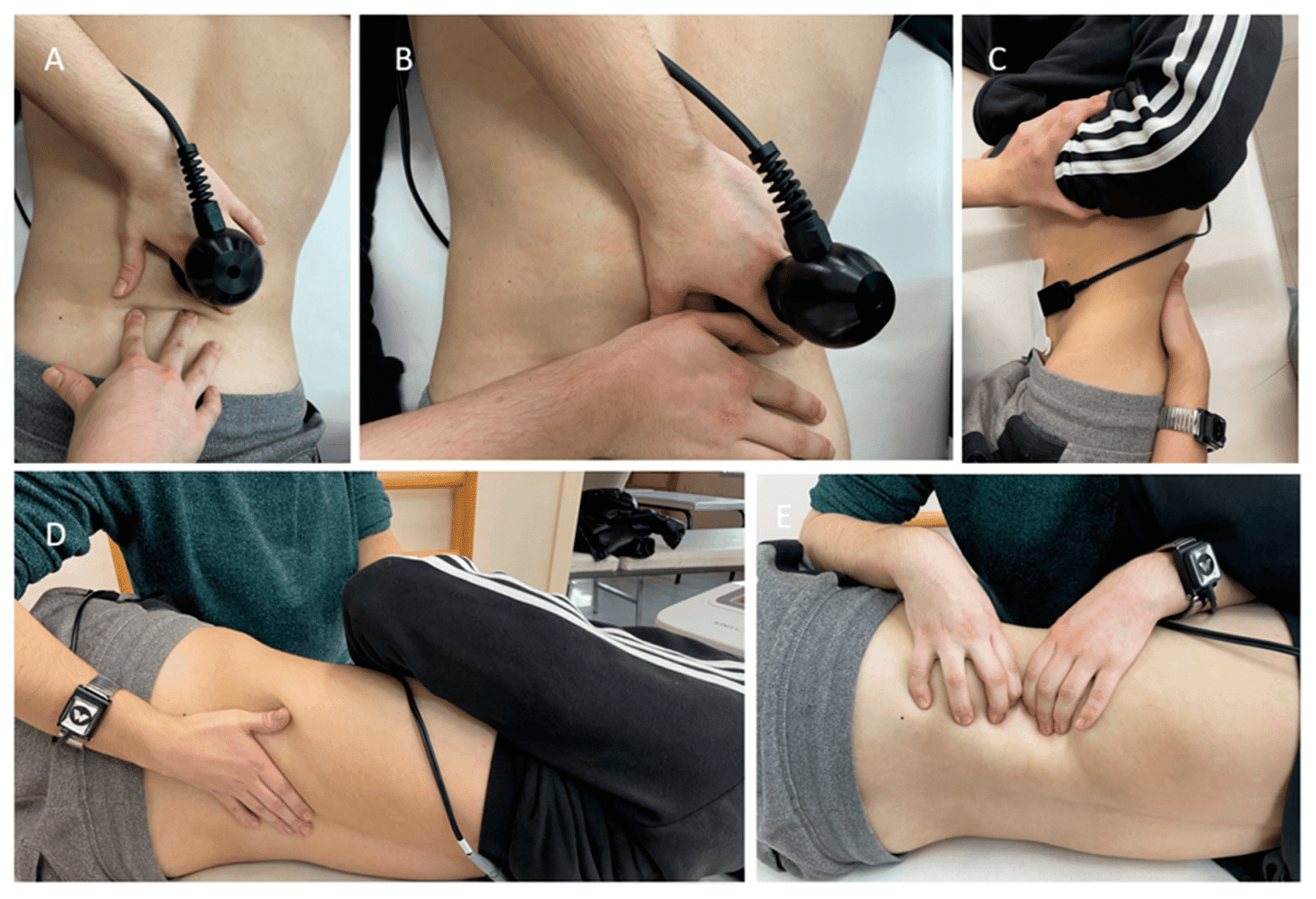
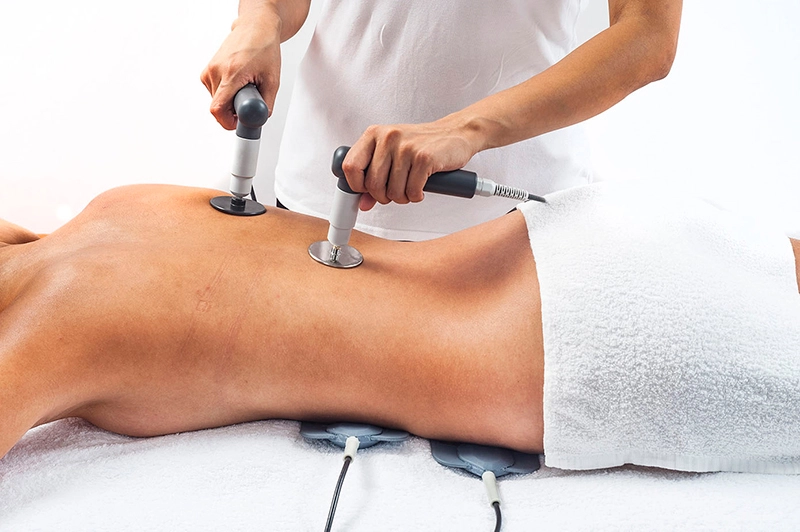
- Application – The therapist uses a hand-held electrode, applying it over the target area in slow, controlled movements while the other electrode or plate is placed on either end of the body part.
- Mode Selection – Depending on your condition, they will use capacitive or resistive mode.
- Treatment Time – Each session typically lasts between 15–30 minutes.
- Follow-up Exercises – Often, exercises or manual therapy follow Tecar application for maximum benefit.
Patients usually notice warmth in the treated area, but it should never feel uncomfortably hot.
Evidence and Research
Scientific studies support the benefits of Tecar Therapy. Research shows that it:
- Reduces pain in musculoskeletal conditions like low back pain and osteoarthritis.
- Accelerates muscle recovery after sports activity.
- Improves circulation and reduces edema.
- Enhances joint mobility in chronic stiffness conditions.
While more large-scale studies are needed, existing evidence and clinical experience strongly highlight its effectiveness.
Tecar Therapy in Sports Medicine
One of the fastest-growing uses of Tecar Therapy is in the world of sports. Professional athletes often cannot afford long recovery times, and Tecar Therapy helps them get back to training faster.
For example:
- Footballers use it for hamstring injuries and ankle sprains.
- Tennis players rely on it for elbow tendonitis and shoulder pain.
- Runners benefit from it in shin splints, plantar fasciitis, and Achilles tendon issues.
By reducing downtime, improving performance, and lowering the risk of chronic injuries, Tecar Therapy has become a favorite in elite sports physiotherapy centers.
Are There Any Risks or Side Effects?
Tecar Therapy is considered safe for most people. However, there are some situations where it may not be recommended:
- Pacemakers or implanted electronic devices
- Active cancer or tumors in the treatment area
- Pregnancy (in abdominal or pelvic regions)
- Open wounds or severe skin infections
- Severe vascular disorders
Mild redness or warmth may occur after treatment, but this usually subsides quickly. Always consult your physiotherapist before starting therapy.
How Many Sessions Do Patients Need?
The number of sessions depends on the condition.
- Acute injuries – 3 to 5 sessions may be enough.
- Chronic pain or degenerative conditions – 8 to 10 sessions may be recommended.
- Sports recovery – Often used as a quick one-off session after intense activity.
Your physiotherapist will create a plan based on your needs, goals, and response to therapy.
Combining Tecar Therapy with Other Treatments
Tecar Therapy works best when integrated into a complete physiotherapy program. It can be combined with:
- Manual therapy for joint mobilization.
- Exercise therapy for strengthening and stability.
- Stretching and flexibility training to restore mobility.
- Postural correction for long-term relief.
- Rehabilitation protocols after surgery or sports injuries.
This holistic approach ensures not only pain relief but also functional recovery and prevention of recurrences.
The Future of Physiotherapy with Tecar
As physiotherapy embraces advanced technology, Tecar Therapy is expected to become a standard part of clinics worldwide. Its ability to combine comfort, safety, and effectiveness makes it a standout tool in modern rehab.
We are likely to see more innovations such as portable Tecar devices, personalized settings based on patient data, and integration with digital health platforms. This means patients may one day use Tecar Therapy at home under remote physiotherapist guidance.
Final Thoughts
Healing is no longer just about rest, ice, and traditional physiotherapy methods. With Tecar Therapy, patients can experience faster recovery, deeper healing, and greater comfort. Whether you are an athlete eager to get back on the field, someone living with chronic joint pain, or a patient recovering from surgery, Tecar Therapy can be the missing link in your rehabilitation journey.
When heat meets healing, recovery takes a new meaning. Tecar Therapy is not just a treatment, it is a revolution in physiotherapy that is already changing results for patients around the world.